
Welcome to the place where academics meet innovation. At Wheaton, you can explore more than 100 academic programs and personalize your education with our flexible Compass Curriculum.
Here, you’ll be empowered to explore your passions and inspired to discover new ones. You’ll gain career-connected experience through internships, independent study and research projects. You’ll work alongside faculty, staff and student mentors who will support you every step of the way. Discover why Wheaton is the place for you.
Interdisciplinary Academics
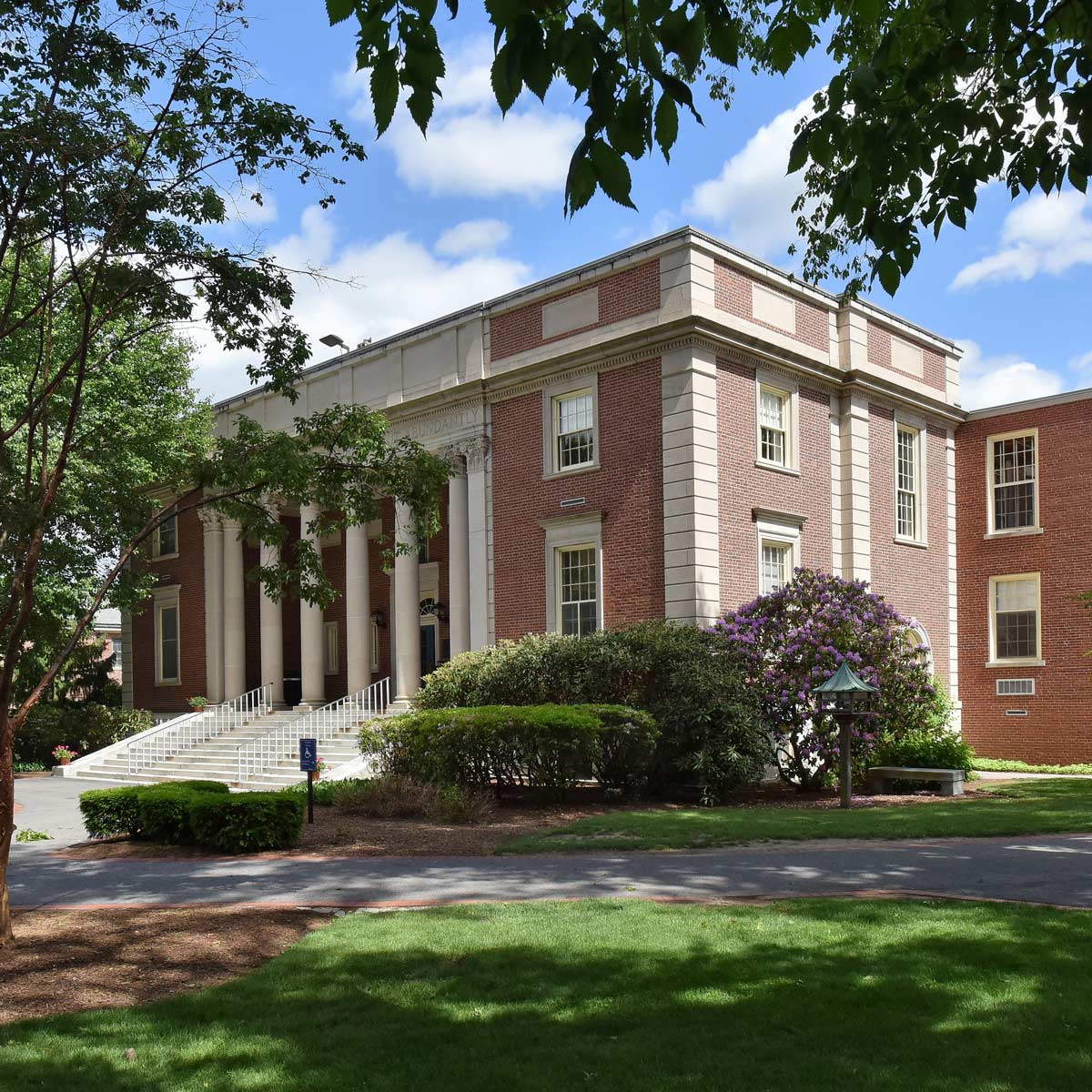
Wheaton’s academic programs are rooted in the liberal arts and sciences, equipping you with the industry knowledge and versatility employers seek. You’ll develop critical thinking and problem-solving skills as you explore a range of topics from different perspectives.
This interdisciplinary approach also allows you to delve deeply into your chosen field with flexible pathways to align with your academic and career goals. There are many programs to choose from and you don’t need to limit yourself to just one. In fact, over 20% of Wheaton students are double majors.
Explore Our Programs
College Catalog
Faculty Mentors
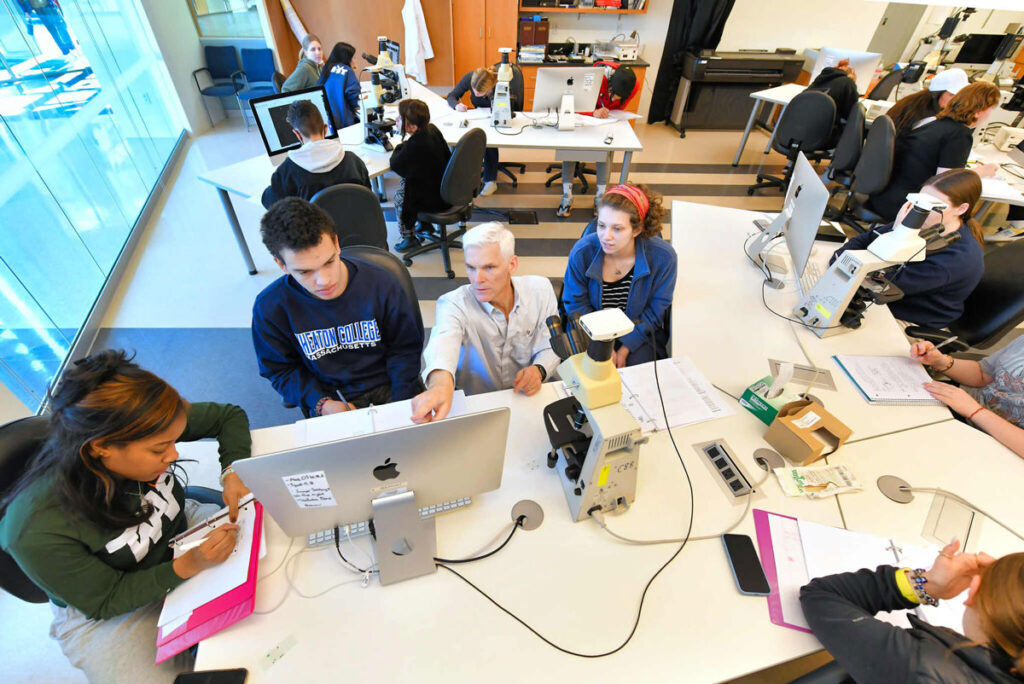
At Wheaton, you won’t be a nameless face in a lecture hall. You’ll engage in small classes where professors know your name, your career aspirations and how you learn best. You’ll learn from accomplished scholars and researchers who contribute to their respective fields through theory and practice.
We have more than 130 full-time faculty members, 87% of whom hold a PhD or the terminal degree in their field. Every one of them is here to support your academic success at Wheaton.
Supporting Your Success
At Wheaton we take a holistic approach to creating a meaningful college experience that connects courses, experiential learning and co-curricular activities. We also provide the tools, resources and support to help you succeed at Wheaton and after graduation.
Academic Advising
You’ll work closely with your personal advising network that includes faculty, staff and peer mentors. This dedicated team will support your academic success and connect you with opportunities to enrich your experience.
Life and Career Design Institute
We provide more than just career services. We help you develop the skills and mindset to live life abundantly at Wheaton and beyond. Learn lifelong strategies to achieve your personal and professional goals while prioritizing your physical, mental and emotional well-being.
Wallace Library
Whether you’re looking for a quiet place to study, working with a group, or need help with research assistance, the Wallace Library provides essential resources, innovative services, and flexible spaces to support your academic career.
Academic Enrichment
Honors Program
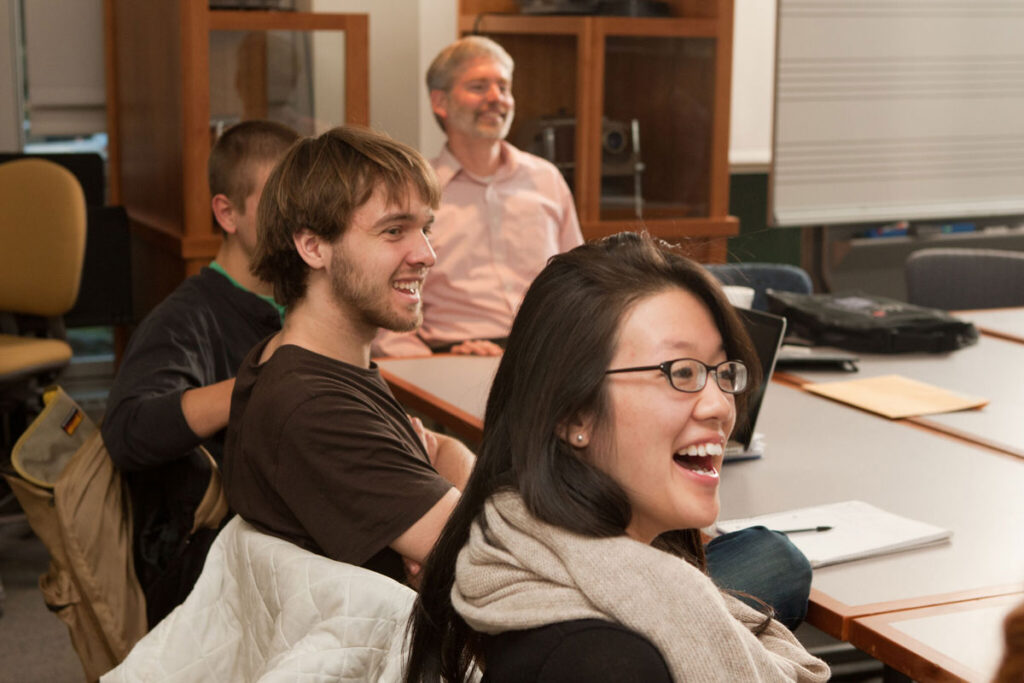
Join our community of high-achieving students to maximize your potential. We offer three rigorous honors pathways, scholarship and fellowship opportunities, and unique traditions to commemorate your achievements.
Innovation Spaces
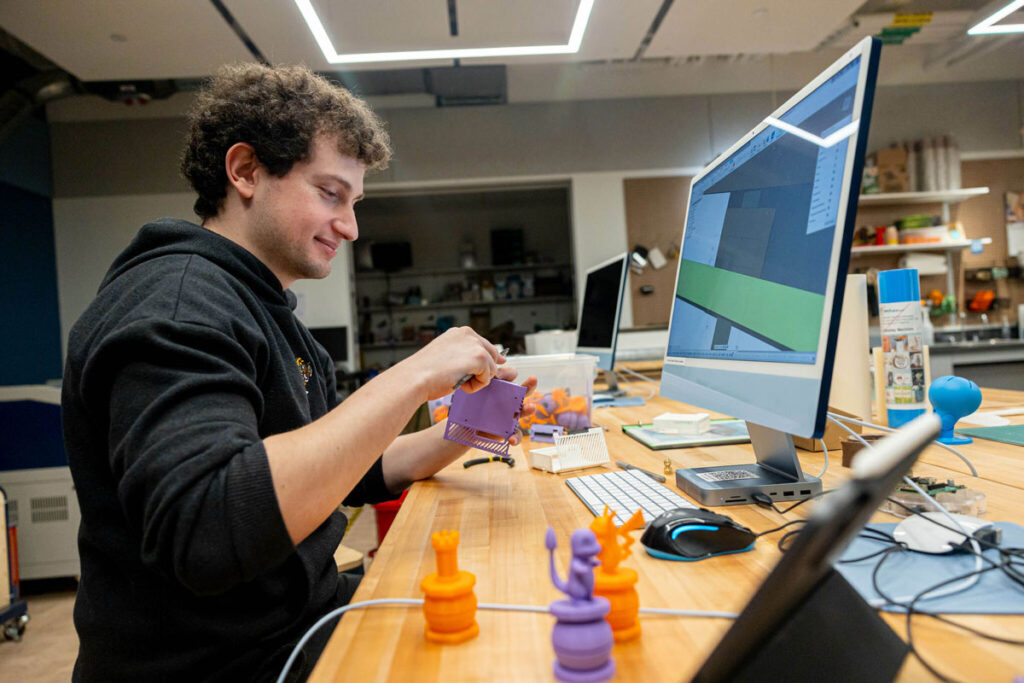
Create, play and unleash your creativity in our Innovation Spaces. You can prototype and build projects using advanced tools like 3D printers, laser cutters and woodworking. The space is open to all students—whether you’re looking to enrich your academics or tinker for fun.
Global Experiences
Intercultural Education
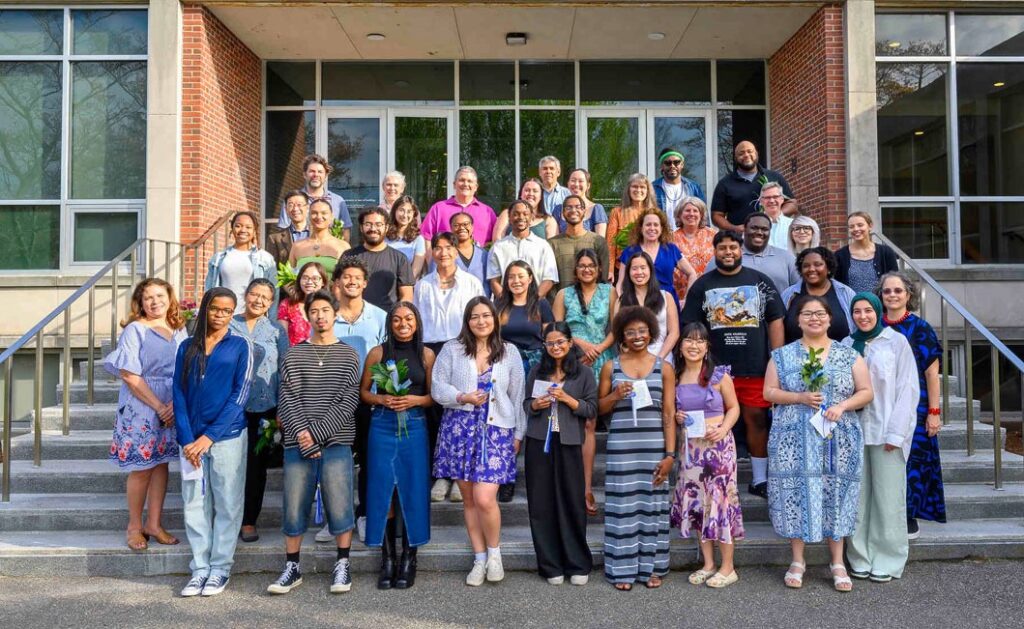
Students at Wheaton come from across the U.S. and around the globe. Our diverse community allows you to gain a deeper understanding of different cultures, traditions and worldviews. Through the support of the Marshall Center, we strive to ensure students from all backgrounds thrive and experience a sense of belonging.

Study Abroad
Immerse yourself in another culture to enrich your college experience. We offer more than 90 global experiences in more than 45 locations, spanning six continents. We also offer a unique opportunity to spend your first semester studying abroad at one of four exciting locations.